
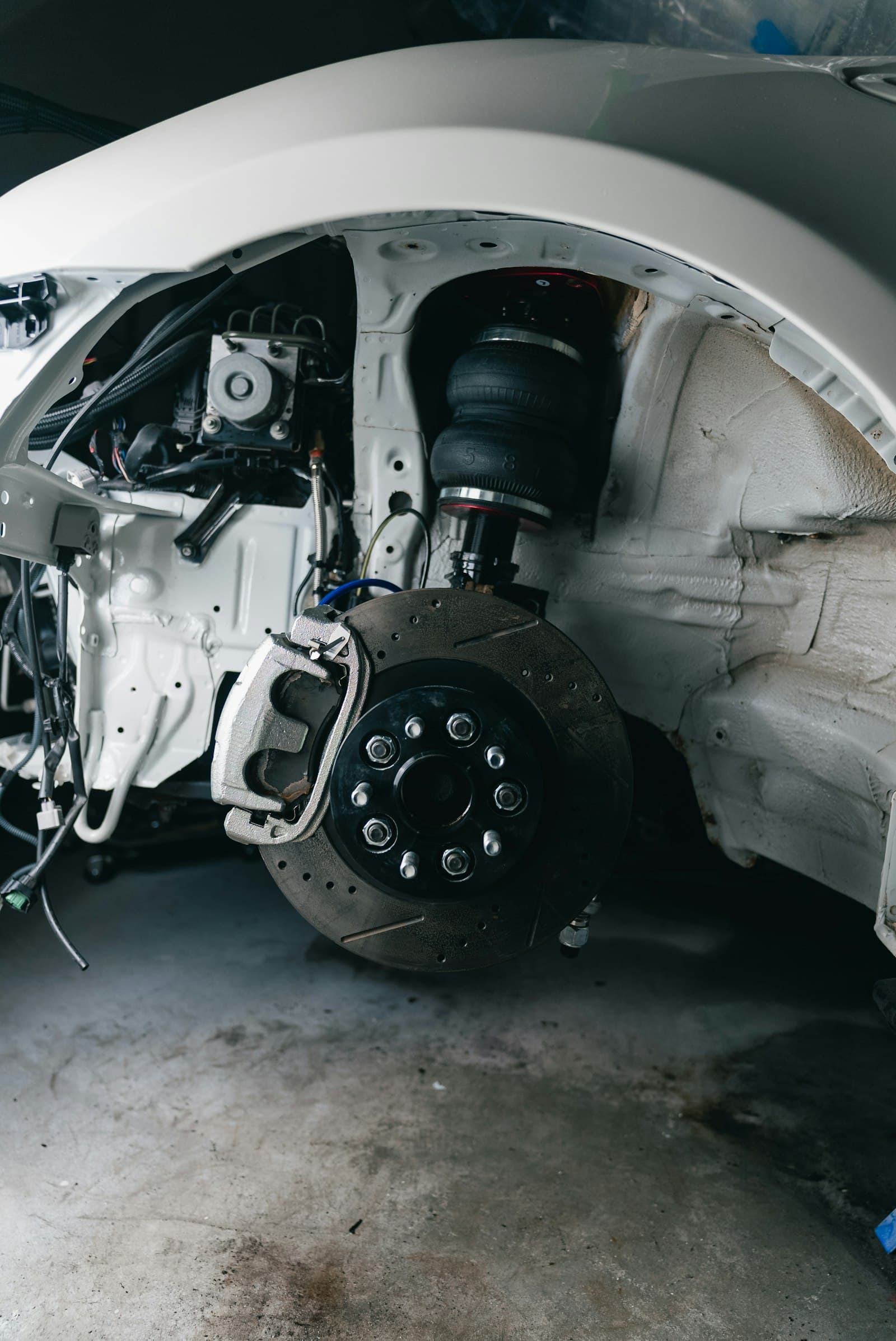
Steering & Suspension
Shocks, struts, tie rods, and steering components — restoring control and ride comfort.
Learn morePads, rotors, calipers, hoses and brake fluid — measured, explained, and fixed so you stop straight and quiet.
4.4 ★ from 370 Google reviews · Family-owned since 2003 · ASE-certified technicians
Brakes wear gradually, which is exactly what makes them easy to put off. The pedal feels a little different each month until the day it feels wrong.
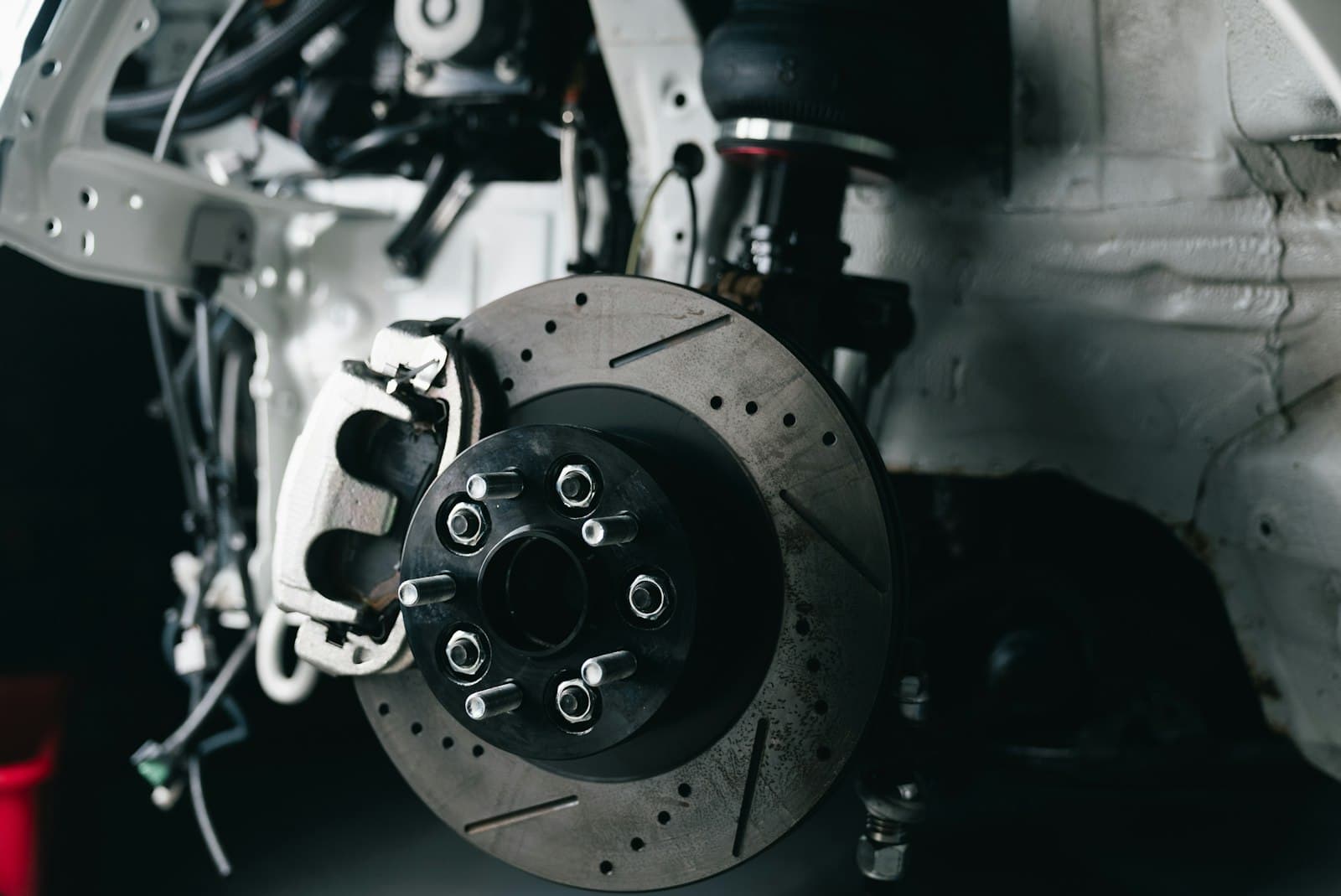
A brake inspection covers pads, rotors, calipers, brake lines, the master cylinder, and fluid condition. We measure what's left and look at how evenly it has worn, because uneven wear usually points at something beyond the pads.
We show you what we found before any work begins, so you can see the condition of your brakes rather than take our word for it.
We show you the measurements and photos and separate what's urgent from what can wait. Brake repairs are covered by our 12-month / 12,000-mile warranty.
Commuting on US-90 and Crosby-area school traffic means a lot of stops. Trucks that tow boats or trailers heat brakes even more. That's why we check fluid and rotor condition, not just pads, and recommend parts suited to how you drive.
Noise, vibration, pulling or a different pedal feel can each have several causes, and a symptom alone doesn't tell us which component needs replacing. These details help guide the testing.
If your braking ability is reduced, the pedal suddenly sinks, or a brake warning appears along with abnormal braking, stop in a safe location and arrange assistance. Don't keep driving just to reach a repair appointment.
Ask what the inspection found, which items need attention, and what the estimate includes. Parts should be evaluated against the vehicle manufacturer's specifications, and rotor measurements help decide between resurfacing and replacement.
This is our general approach. Every vehicle is different, and recommendations follow an inspection. See the Service Disclaimer.
Pad thickness, rotor condition, caliper operation, lines, master cylinder, and fluid — measured, not eyeballed.
Uneven wear between wheels or across a single pad points to a cause, such as a caliper that isn't releasing.
We walk you through the condition of each corner and what we recommend before starting work.
After the approved repair, we check the vehicle's braking behavior and pedal feel.
No. Some squeal comes from dust, hardware or pad material. A wear-indicator squeal is a warning; grinding means metal on metal — come in soon.
Not always. We measure them. If they're within spec and true, they can stay.
A pulse in the pedal is usually rotors. A shake in the wheel at speed without braking is usually tires or balance.
Most manufacturers say every 2–3 years. Old fluid absorbs water, which lowers its boiling point and corrodes parts.
Have it checked right away. It can mean low fluid or a hydraulic problem.
Shocks, struts, tie rods, and steering components — restoring control and ride comfort.
Learn more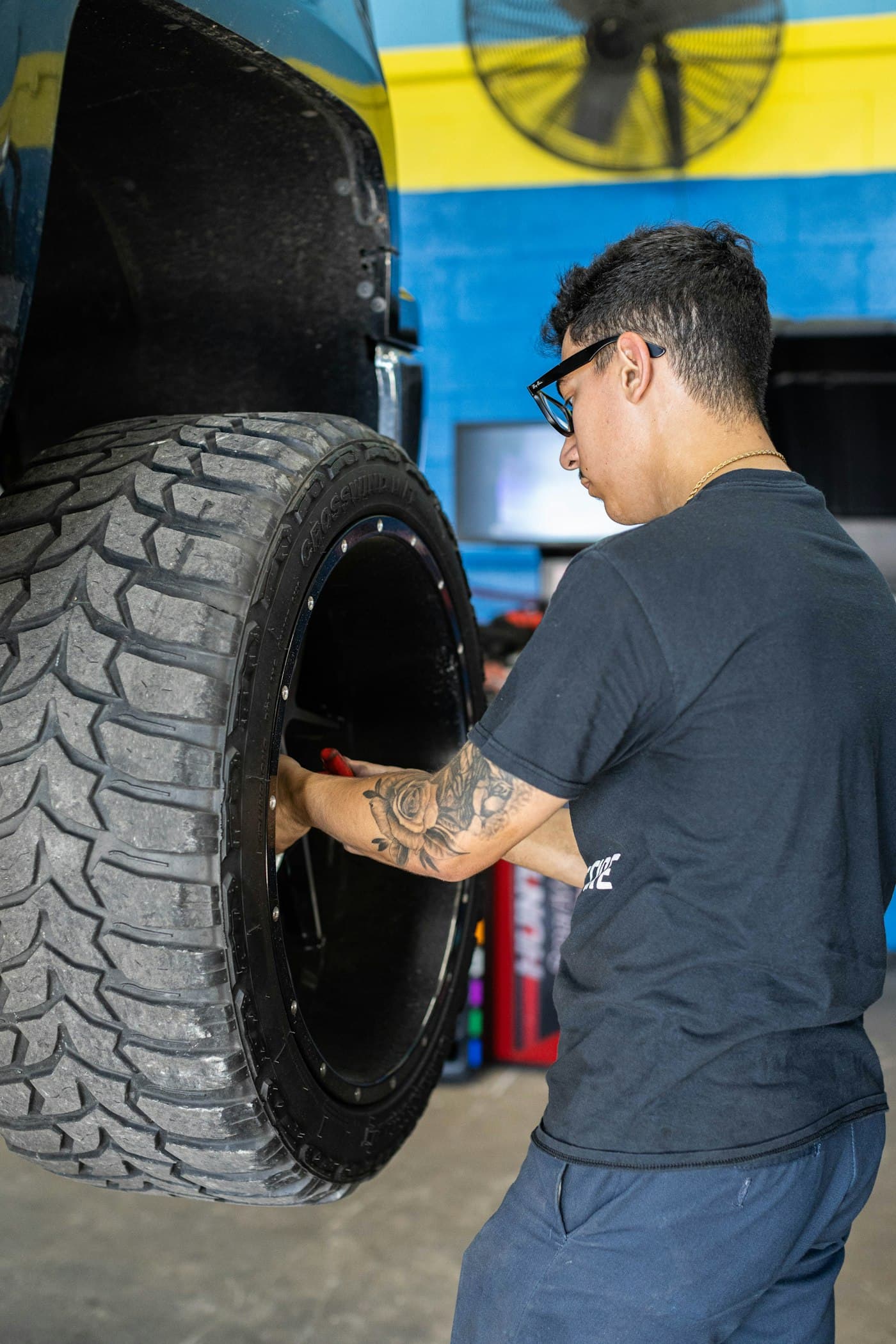
Matched. Balanced. Positioned. Aligned. A more comprehensive approach to tire, wheel, and alignment optimization.
Learn more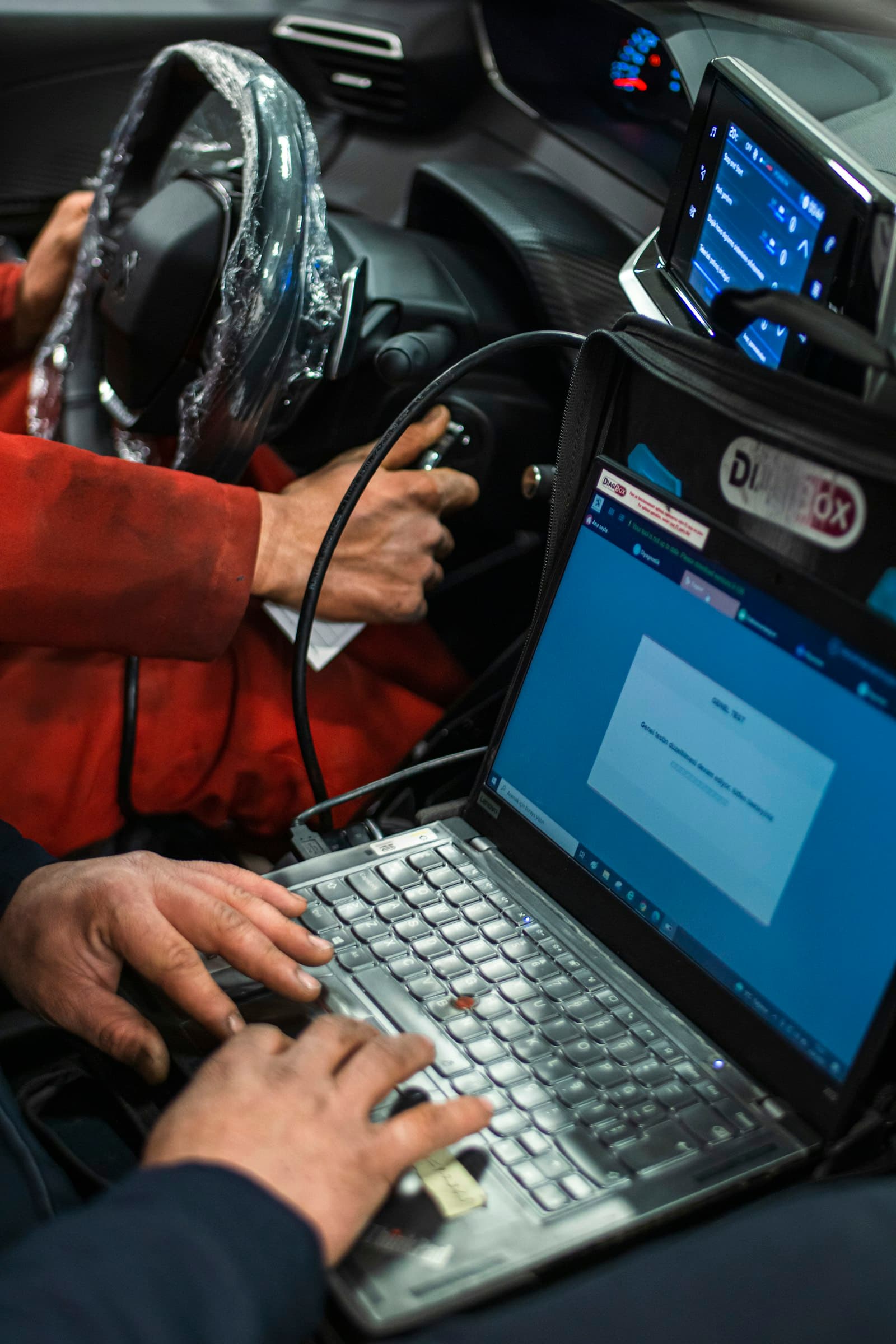
Advanced scan tools and ASE-certified expertise to pinpoint exactly what's wrong — fast.
Learn more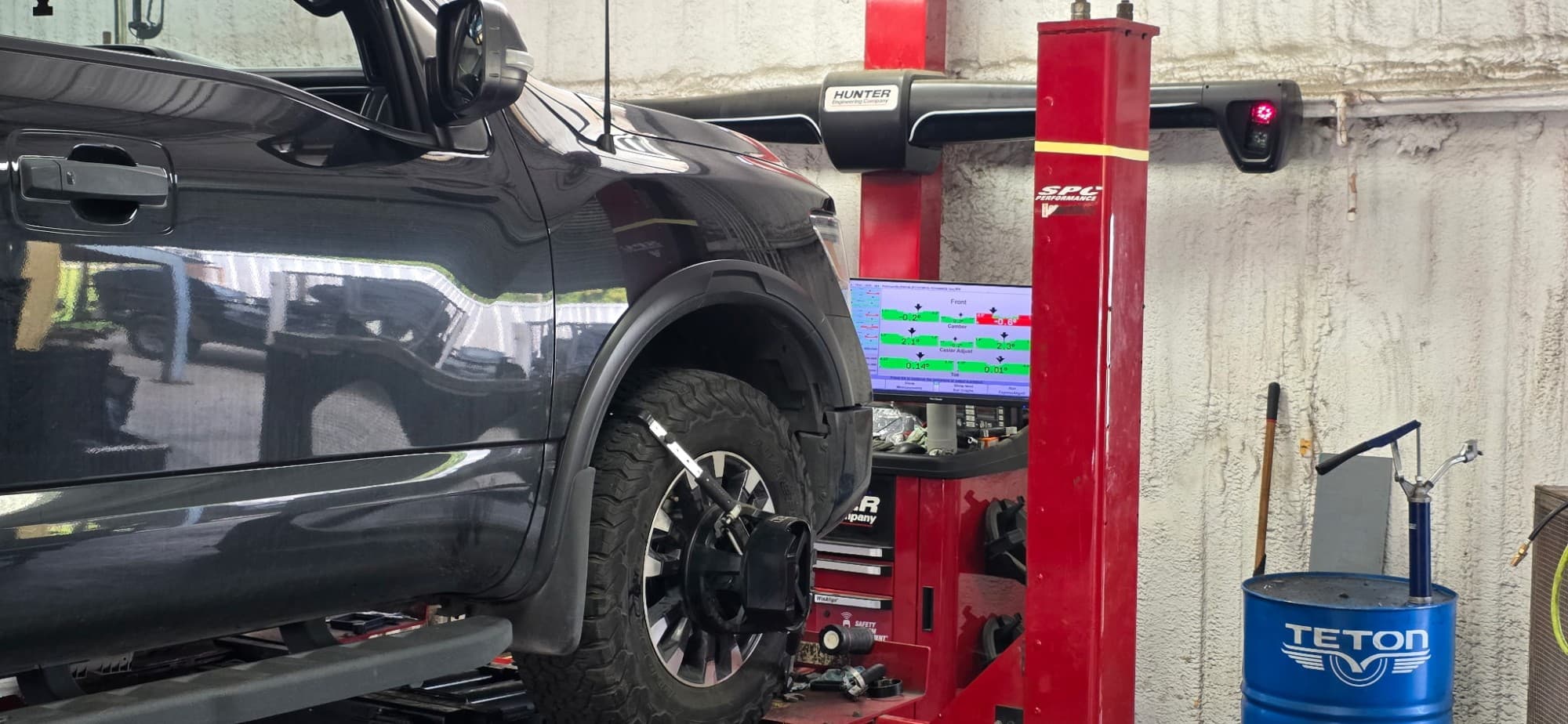
Precision alignment to help reduce tire wear, improve handling, and address alignment-related pull.
Learn more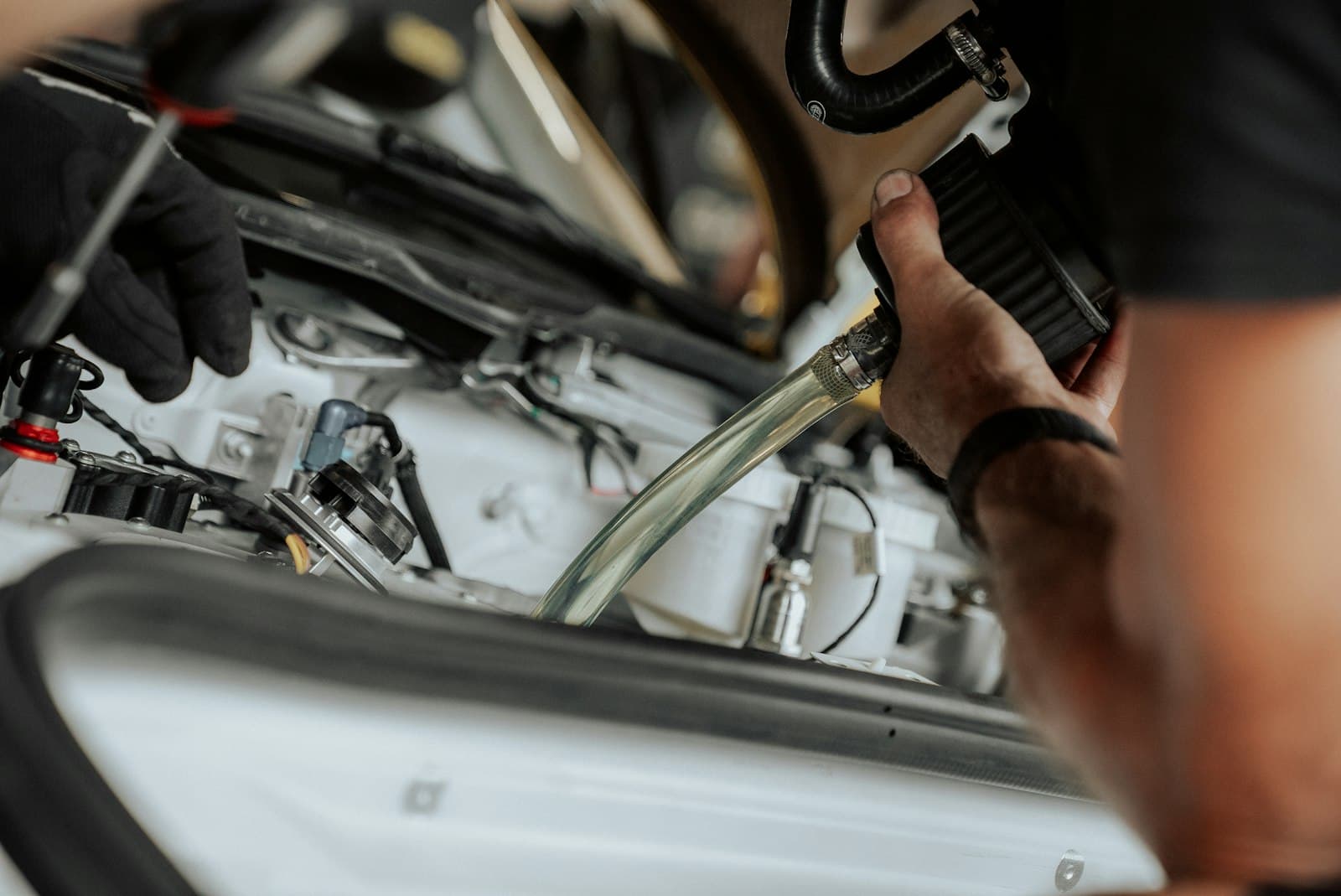
Full A/C system diagnosis, recharge, and repair so you stay cool through the Texas heat.
Learn moreServing Crosby, Huffman, Barrett, Highlands, Channelview and Baytown from our shop at 14001 FM 2100.
Request a time online, or call (281) 462-9900 and tell us what the vehicle is doing.